All About Shiitake
Shiitake Mushroom History
Shiitake Mushroom Uses
Proudly Made in China
Not All Medicinal Mushrooms Products are Created Equal
Active Compounds
Product Attributes
Shiitake 1:1 Extract, (Lentinus edodes (syn. Lentinula edodes)) Powder Bulk
Family
Polyporaceae (Polypor Family)
Etymology
The genus name Lentinus derives from the Latin lent, "pliable," and inus, "resembling." The species name edodes is Latin for "edible." The common name shiitake derives from that of the Japanese shii tree (Pasania spp.), logs of which the mushrooms grow on.
Range of Appearance
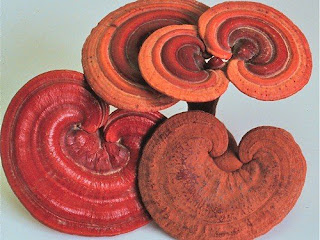
Shiitake, native to China, is a light amber fungi with ragged gills. Its stem can be central or off-center. It grows on fallen broadleaved trees such as beech, chestnut, oak, maple, walnut, and mulberry. Kits that allow you to grow your own shiitakes are commonly available.
Parts Used
Cap of fruiting body
Physiological Effects
Antioxidant, antitumor, antiviral, aphrodisiac, chi tonic, hepatoprotective, immune tonic, rejuvenative
Medicinal Uses
For thousands of years shiitake mushroom, known as "the mushroom of immortality," has been used to prevent premature aging. Shiitake stimulates the stem cells in the bone marrow to create more B and T cells, inhibits blood platelet aggregation, and aids in the production of interferon. It also helps the body get rid of excessive salt. It is used in the treatment of AIDS, allergies, anemia, arthritis, asthma, bronchitis, cancer, colds, chronic cough, environmental illness, fatigue, flu, hepatitis, high cholesterol, hypertension, rickets, and tumors. One mushroom a day is considered a therapeutic dosage.
Culinary Uses
Shiitake mushrooms are edible and delicious. They are sold fresh or dried; the stems are often discarded, as they are tougher than the caps.
Other Uses
None reported.
Constituents
Amino acids (lysine, arginine), polysaccharide (lentinan), eritadenin, vitamin C, vitamin D, vitamin B2, vitamin B12, calcium, potassium, purines
Contraindications
Shiitakes are considered nontoxic and generally safe. Avoid in cases of extreme weakness or diarrhea. There have been rare reports of allergic reactions affecting the throat, lungs, or skin.
Plant details were provided by iPlant by Brigitte Mars.
Hyperlink it to https://brigittemars.com/iplant-app/



Comments
Post a Comment